Ferminius MMXXVI Book a diagnostic →
Ferminius/ Work/ Epicentro Global
Selected Work · MMXXII — MMXXIII

Epicentro Global — sixteen episodes on the architecture of modern conflict.

A documentary television program on geostrategy, military intelligence, and the rearrangement of international power. Direction by Ferminius. Editorial spine and on-air analysis by United States Army Captain Luis Manuel Rolle. Produced by Digital Media 305 in Miami across 2022 — 2023.

Program
Epicentro Global
Episodes
16
Years
2022 — 2023
Language
Spanish
Production
Digital Media 305
Channel
@EpicentroGlobal
I  ·  Thesis

A vision of the world from geostrategy.

The world is going through a rearrangement driven by technology, accessibility, and tensions that are not always visible to the naked eye. Epicentro Global examines those forces directly — the intelligence agencies that shape state decisions, the military doctrines that govern modern conflict, and the realignments that define the current decade.

Each episode treats its subject seriously and at depth. The program assumes a viewer capable of holding complexity without simplification — a viewer who wants to understand the architecture of international power rather than its surface.

The editorial spine is provided by Captain Luis Manuel Rolle, an active officer of the United States Army whose analytical commentary anchors the program's military and intelligence segments. The narrative direction and visual language are the work of Ferminius; production, editing, sound design, and visual effects are executed by Digital Media 305 in Miami.

The result is a sixteen-episode editorial arc — coherent, sourced, and consistent across a complex subject area that few Spanish-language productions cover with this discipline.

II  ·  Topics

What the program analyzes.

Across sixteen episodes, Epicentro Global develops a coherent map of the contemporary geopolitical and military landscape. The principal subjects:

01 · Ukraine, 2022

The Russian invasion of Ukraine.

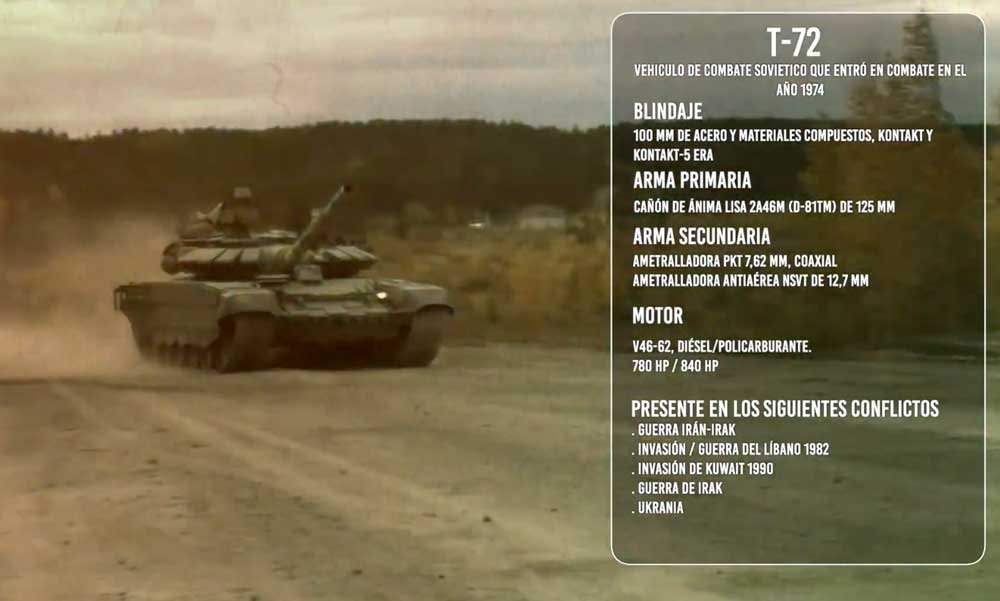
Operational planning from the first weeks: the collapse of the three-day victory thesis, the resilience of Kyiv, the destruction of the Russian armored advance, and the supply-line failures in the Donbas theater that left forces without fuel or armament.

02 · Intelligence

The histories of KGB, Stasi, MOSSAD, MI6, and CIA.

Structural histories of the major intelligence agencies — how each was founded, what each was designed to do, and how doctrines diverge between agencies of totalitarian states and those of democratic ones.

03 · Russian Army

Doctrine, structure, and the prewar projection.

The hybrid contract-conscript system, the role of the Spetsnaz brigades across five military districts, the use of foreign mercenaries, and the gap between projected strength and battlefield performance in Ukraine.

04 · NATO

The architecture of the alliance.

The organization of the North Atlantic Treaty Organization, its evolution since founding, and the open question of European strategic autonomy in the context of US military dependence.

05 · Doctrine

Eastern vs. Western military traditions.

How Russia, China, Turkey, and Western democracies differ on command structure, the legality and morality of the use of force, the law of war, and how promotion is structured within the officer corps.

06 · European Defense

The case for strategic responsibility.

The development of conventional European capabilities, the path toward crisis management without dependence on US enablers — strategic transport, refueling, and command, control, communications, computers, intelligence, surveillance, and reconnaissance.
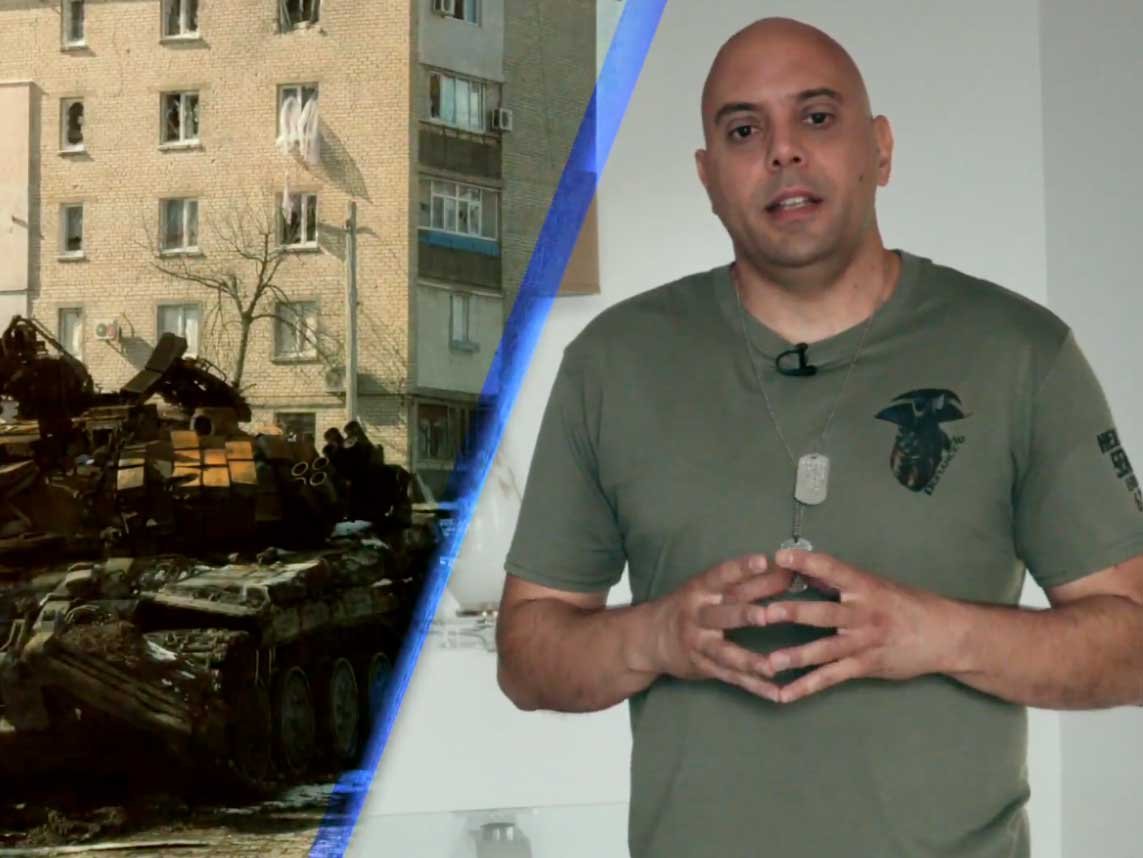
III  ·  Spotlight

The FGM-148 Javelin and the Jack-in-the-Box.

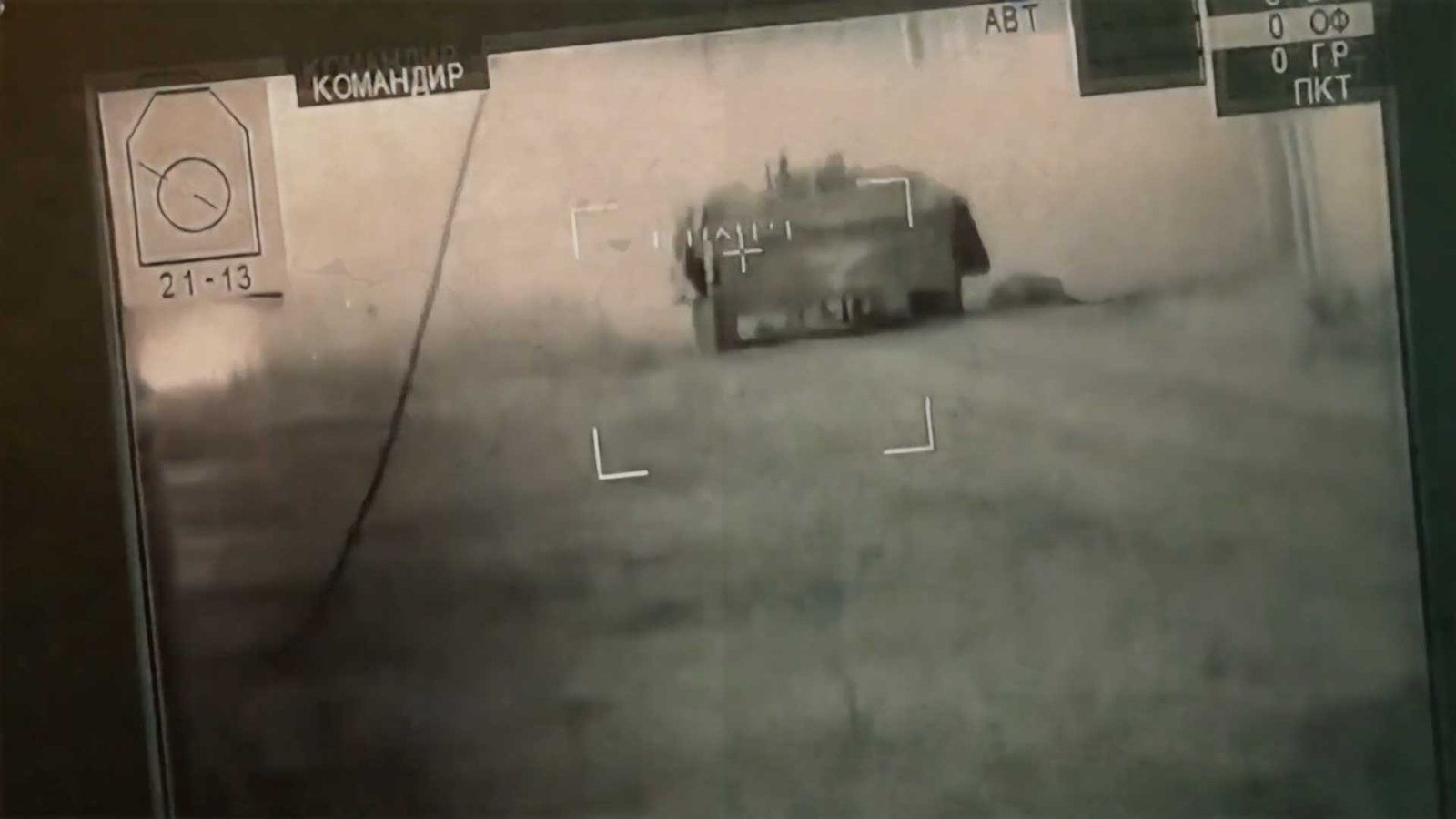
The signature technical analysis of the program — a study of the American antitank missile system that defeated the most modern Russian armor on the Ukrainian battlefield, anchored by the on-air commentary of Captain Luis Manuel Rolle.

FGM-148 · Top-Attack

A $178,000 missile, manufactured in Orlando, defeats tanks.

The Javelin climbs to between 360 and 660 meters and strikes the top of the tank, where armor is thinnest. The first explosion defeats the armor; the second is a forced jet of explosive that enters the hull and detonates the stored ammunition. The turret separates from the chassis. That is the Jack-in-the-Box.

The system has been in production in the United States since 1994. Eleven countries operate it. It can be fired by a single soldier, is autonomous after launch, and is rated against fixed positions and helicopters as well as armor.

Unit cost
$178k
Top altitude
360 — 660 m
Operators
11
IV  ·  Stills

Visual language across sixteen episodes.

A consistent editorial frame: dark palette, archival material handled with discipline, on-camera analysis built around the authority of a serving United States Army officer.

Epicentro Global — episode still
Geostrategy
Epicentro Global — episode still
Russian Army
Epicentro Global — Intelligence segment still
Intelligence
Epicentro Global — NATO segment still
NATO
V  ·  Staff

Who made the program.

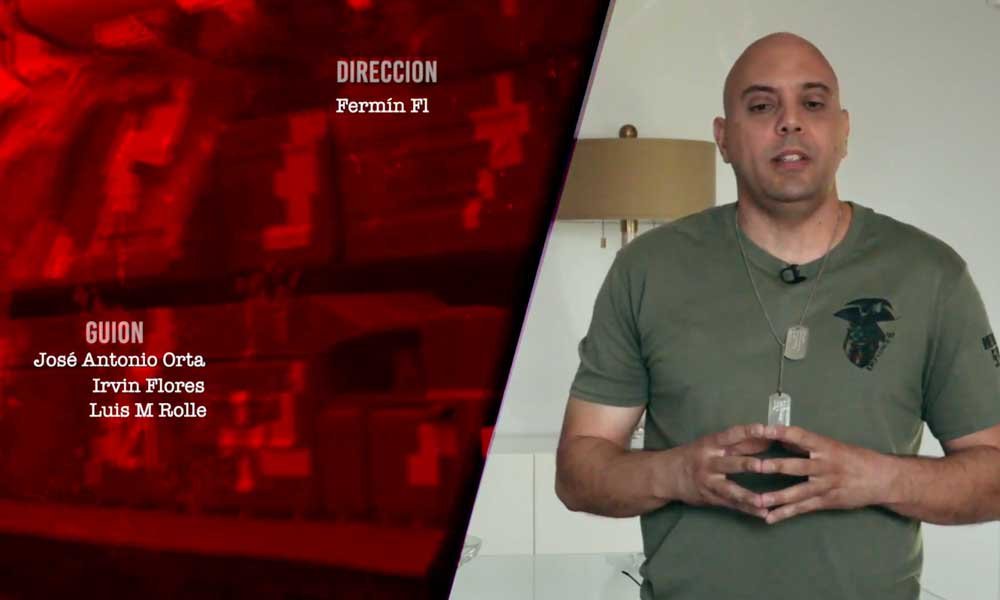
A small team with deep editorial and production discipline. The full credits across the sixteen episodes:

Executive Production · Editorial Lead · On-air Analyst

Capt. Luis Manuel Rolle

United States Army
Active United States Army Captain. Executive Producer, co-writer, and on-air analyst — the editorial spine of the program. Provides the military and intelligence commentary across all sixteen episodes, including the technical analysis of the FGM-148 Javelin missile system and the comparative analysis of Russian, Chinese, Turkish, and Western military doctrine.
Executive Production · Co-writer

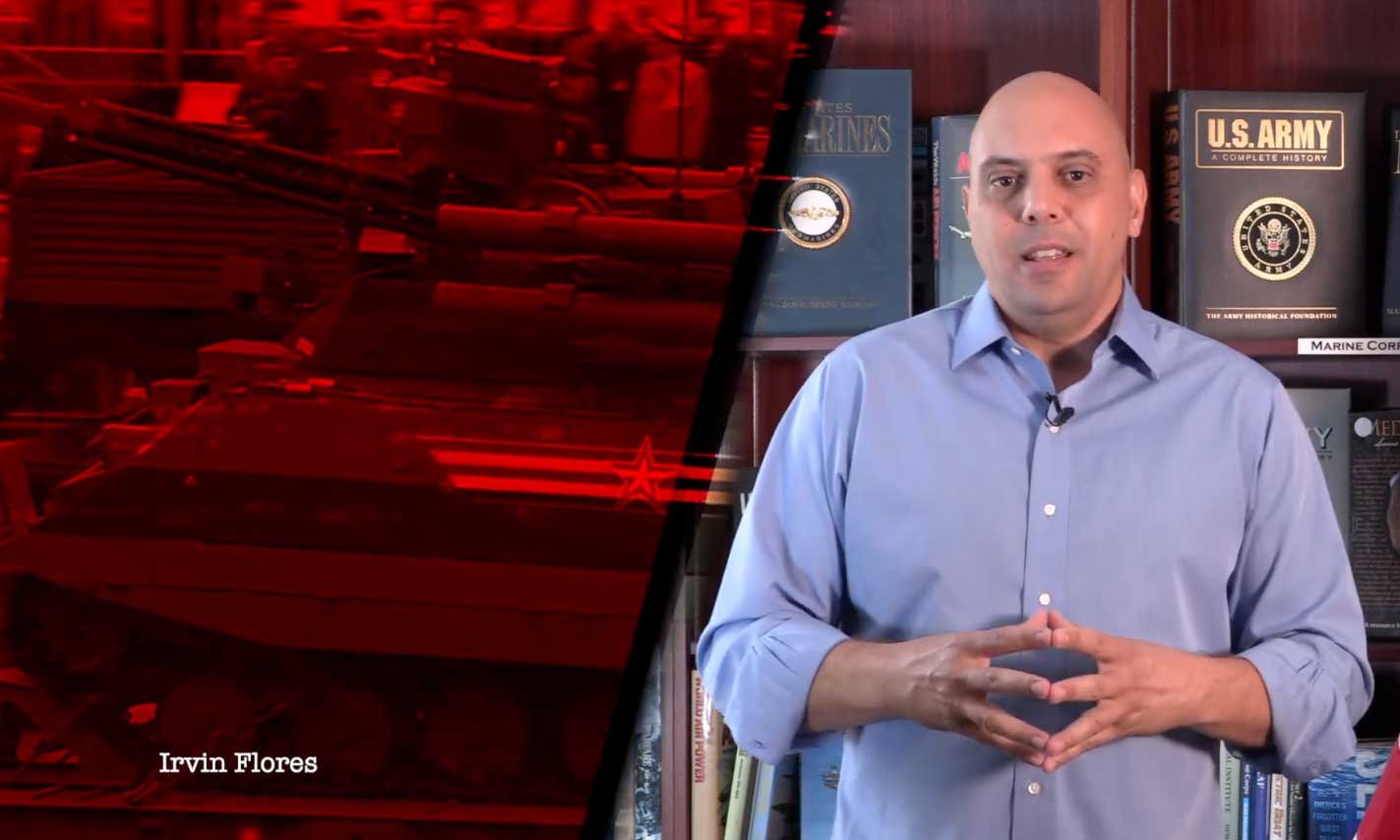
Irvin Flores

Executive Producer and co-writer. Co-developed the editorial direction of the program across its full sixteen-episode run.
General Production · Lead Writer

José Antonio Orta

General Producer and lead writer. Responsible for production logistics and the primary narrative voice that frames each episode.
Direction

Fermín Fleites · Ferminius

Miami, FL
Director. Miami-based AI Marketing Director, SEO consultant, and television director. Founder of Growth Marketing Studios and Digital Media 305. Director and producer of Arte Mundo Latino since 2008. On Epicentro Global, responsible for narrative direction and visual language across the full series.
Editing & Postproduction

Digital Media 305

Miami, FL
Production company. Responsible for video editing, recording, sound design, and visual effects across all sixteen episodes. Recognized by Expertise as a Top Digital Marketing Agency in Miami in 2021 and 2022.
VI  ·  Watch & Follow

All sixteen episodes are online.

The full series is hosted on the official Epicentro Global YouTube channel. Instagram and the production company carry the broader catalog.

VII  ·  Ecosystem

Part of the same direction practice.

Epicentro Global sits inside a longer documentary track directed under the Ferminius name and produced through Digital Media 305 — eighteen years of editorial direction across television and long-form non-fiction.

Want direction at this level for your project?

Thirty-minute diagnostic. Operator on the line, not an SDR.